What attracts rats to King County homes, how to identify which rat species you’re dealing with, and the steps to remove them permanently. For immediate help, explore our professional rat pest control services in Seattle, WA or call (206) 571-7580.
Why Rats Choose Your King County Home
Rats don’t invade randomly. They follow a simple equation:
Food Unsecured garbage, pet food, birdseed, fallen fruit
Water Leaky faucets, standing water, pet bowls, condensation
Shelter Gaps in your foundation, overgrown landscaping, wood piles
King County’s mild, wet climate and dense urban neighborhoods create ideal conditions for rats year round. If your home offers any of these three elements, rats will find it.
The Top 7 Rat Attractants in King County Homes
1. Unsecured Garbage and Compost
Open or loosely covered garbage cans are the number one rat attractant. Rats can detect food waste from a significant distance. Compost bins with food scraps are equally inviting especially those containing meat, dairy, or cooked food.
What to do: Use garbage cans with tight-fitting, locking lids. Keep compost bins sealed and avoid adding meat, dairy, or cooked food to outdoor compost.
2. Bird Feeders and Outdoor Pet Food
Bird feeders are one of the most overlooked rat attractants in King County. Fallen birdseed on the ground provides an easy, high calorie meal. Outdoor pet food bowls left out overnight are equally inviting.
What to do: Remove bird feeders entirely, or use squirrel proof designs that minimize spillage. Bring pet food bowls inside before dusk.
3. Fruit Trees and Vegetable Gardens
King County’s temperate climate is ideal for backyard fruit trees and gardens. Fallen fruit, ripe vegetables, and berry bushes are a feast for rats particularly roof rats, which climb trees easily and nest in branches.
What to do: Harvest fruit promptly and pick up fallen fruit daily. Use raised garden beds and clear vegetation away from your home’s foundation.
4. Dense Landscaping and Overgrown Yards
Ivy, dense shrubs, and overgrown ground cover provide hiding spots and travel routes for rats. Blackberry bushes, common throughout King County, offer both food and shelter.
What to do: Trim bushes and trees away from your home. Remove ivy from structures. Maintain a 2 foot clear zone between landscaping and your foundation.
5. Water Sources
Rats need water daily. Common water attractants include:
Leaky outdoor faucets and hoses
Pet water bowls left out overnight
Birdbaths and fountains
Standing water in gutters or planters
Condensation from air conditioning units
What to do: Fix all leaks, empty standing water, clean gutters regularly, and bring pet water bowls inside at night.
6. Gaps and Openings in Your Home
A rat can squeeze through an opening the size of a quarter (Norway rats) or even a dime (roof rats). Common entry points in King County homes include:
Gaps around pipes, wires, and utility penetrations
Damaged or open crawlspace vents
Open garage doors
Gaps under exterior doors
Deteriorated roof soffits and roofline intersections
What to do: Inspect your home’s exterior for any gap larger than ¼ inch. Seal with steel wool, copper mesh, or metal flashing rats can gnaw through foam, plastic, and wood. Learn more about our rodent exclusion and prevention services .
7. Nearby Construction or Demolition
Construction projects in your neighborhood can displace rat populations, sending them looking for new homes. King County’s ongoing development especially in areas like Bellevue, Redmond, Kirkland, and Issaquah frequently pushes rats into residential properties.
What to do: If construction is happening nearby, proactively inspect and seal your home’s exterior. Consider a preventive rodent exclusion service before rats find their way in.
Norway Rats vs. Roof Rats: Which Is in Your Home?
King County is home to two rat species, each with different habits and nesting preferences. Identifying which one you have determines the most effective removal strategy. Our rat control experts in Seattle are trained to identify both species quickly.
| Feature | Norway Rat (Sewer Rat) | Roof Rat (Black Rat) |
|---|---|---|
| Size | Large (up to 16 inches with tail) | Medium (up to 14 inches with tail) |
| Color | Brown or gray | Black or dark brown |
| Nesting Location | Burrows in soil, basements, crawlspaces | Attics, trees, upper floors |
| Climbing Ability | Poor climber | Excellent climber |
| Common in King County | Urban Seattle, waterfront areas, South King County | Eastside suburbs, wooded neighborhoods, tree lined Seattle streets |
Seasonal Rat Activity in King County
Rat activity in Western Washington is year-round, but certain seasons bring increased risk:
| Season | Activity Level | What Happens |
|---|---|---|
| Spring | Increasing | Breeding season begins; rats explore new territory |
| Summer | High | Peak breeding; abundant outdoor food sources |
| Fall | Very High | Rats move indoors seeking warmth and stored food |
| Winter | High (indoors) | Rats are fully established inside; harder to evict |
Why this matters: If you wait until winter to address rat activity, you’re dealing with established populations that have nested, bred, and chewed their way through wiring and insulation. Fall is the critical prevention window.
Signs of a Rat Infestation
Not sure if you have rats? Look for these indicators:
Droppings ½inch dark pellets near food sources, along walls, or in cabinets
Gnaw marks On wood, electrical wiring, plastic pipes, or food packaging
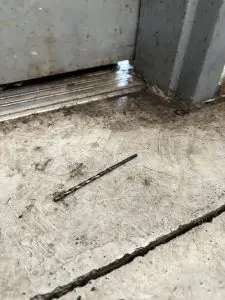
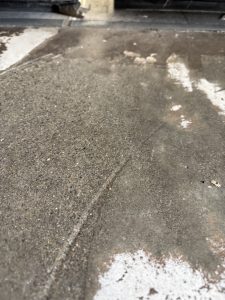
Grease marks Dark smudges along walls, baseboards, and rafters from repeated travel
Nesting materials Shredded paper, insulation, or fabric in attics, crawl spaces, or behind appliances
Sounds Scratching, scurrying, or squeaking in walls, ceilings, or crawl spaces especially at night
Burrows 2–3 inch holes in soil along foundations, under decks, or in garden beds (Norway rats)
Runways Well worn paths through grass or vegetation between burrows and food sources
If you notice any of these signs, professional inspection is recommended within 48–72 hours. Our rodent control specialists can identify the source and eliminate it permanently.
When to Call a Professional Exterminator
If you have already sealed food sources and entry points but still see rat activity, it’s time for professional help. Call a WSDA licensed exterminator if:
Droppings appear daily despite cleanup efforts
Scratching sounds in walls or attic persist at night
Gnaw marks appear on wires, wood, or food packaging
A strong musty odor comes from walls or crawlspaces
You find a dead rat inside your home
You have trapped rats but they keep coming back
Professional Rat Control: What to Expect
When you call AMPM Exterminators for rat control in King County , our process includes:
Comprehensive inspection We identify entry points, nesting locations, and attractants specific to your property
Exclusion We seal all entry points with rat-proof materials (steel wool, copper mesh, metal flashing)
Trapping We place professional grade traps in attics, crawlspaces, and exterior runways
Removal and sanitation We remove trapped rats and provide sanitation recommendations
Follow up monitoring We return to ensure activity has ceased and adjust strategies if needed
Ongoing prevention Quarterly or bimonthly monitoring prevents re-infestation
All work is performed by WSDA licensed technicians, and every service includes digital documentation for your records. For businesses dealing with rat issues, we also offer commercial pest control programs tailored to restaurants, warehouses, and office buildings.
Service Areas: Rat Control in King County
We provide rat exclusion and removal services throughout King County, including:
| Region | Cities & Neighborhoods |
|---|---|
| Seattle | Ballard, Queen Anne, Capitol Hill, Magnolia, West Seattle, Fremont, Wallingford, University District, Northgate, Rainier Valley, Columbia City, Beacon Hill, Downtown, South Lake Union, SODO, Georgetown |
| Eastside | Bellevue, Kirkland, Redmond, Issaquah, Sammamish, Mercer Island, Renton, Woodinville, Bothell |
| South King County | Kent, Auburn, Federal Way, Burien, SeaTac, Tukwila, Des Moines |
| North King County | Shoreline, Kenmore, Lake Forest Park |
Extended coverage is available for commercial accounts in Snohomish and Pierce counties.
Frequently Asked Questions About Rats in King County
How do rats get into Seattle homes?
Rats enter through gaps as small as ¼ inch (roof rats) or ½ inch (Norway rats). Common entry points include gaps under garage doors, utility penetrations, damaged vents, roofline intersections, and deteriorated foundations. Older Seattle homes (pre1940) are particularly vulnerable.
What time of year are rats most active?
Rats are active year round in King County, but homeowners typically notice increased activity in fall (September–November) when rats seek winter shelter, and late winter (January–March) when breeding season begins.
Can rats climb?
Roof rats are excellent climbers and frequently access attics via tree branches, vines, and utility lines. Norway rats are poor climbers but excellent burrowers, entering through foundations and crawlspaces.
What should I not do if I have rats?
Do not use poison baits in living spaces. Poisoned rats often die in walls, creating odor problems and attracting secondary pests like flies and beetles. Also, do not seal entry points until you’re sure rats are not trapped inside they will chew new exit holes.
How much does professional rat control cost?
Most King County rat exclusion and removal services range from $400–$1,200 depending on the size of the home, number of entry points, and extent of infestation. Follow-up monitoring programs start at $95–$150 per visit. For a detailed breakdown, visit our rat control pricing and services page .
Rat Prevention for Businesses
If you own or manage a commercial property in King County, rat infestations carry additional risks: health code violations, failed inspections, and reputational damage. Our commercial pest control services include:
Monthly, bimonthly, and quarterly service programs
Barcode tracked monitoring devices
Online reporting dashboards for audit-ready documentation
24/7 emergency response for contract clients
Restaurants, warehouses, office buildings, and multiunit housing all benefit from proactive rodent prevention.
Request a Free Rat Inspection
If you’ve seen signs of rats in or around your King County home, don’t wait. Rat populations grow quickly, and the damage they cause chewed wiring, contaminated insulation, structural damage only increases with time.
Call (206) 571-7580 to schedule a free inspection. We serve Seattle and all King County cities, with same day appointments available for urgent situations.
For more information, explore these resources:
Rat Pest Control Seattle WA Comprehensive rat removal and exclusion
Rodent Control Seattle WA Mice and rat control for homes and businesses
Commercial Pest Control Seattle WA Ongoing prevention programs for businesses